
When Personality Becomes Risky
Not every risk in organisations is visible on a CV. Some of the most damaging behaviours emerge after someone is hired, promoted, or placed in a position of power.
Zortify helps organisations identify counterproductive behavioural tendencies early – scientifically, fairly, and without guesswork.
👉 Learn how to protect performance, trust, and culture – without labelling or bias.
What are Counterproductive Behavioral Tendencies?
Often referred to as the Dark Triad, counterproductive behavioral tendencies describe personality patterns that can become harmful for teams, leaders, and organisations – especially when they go unnoticed.
Zortify’s model focuses on three scientifically validated dimensions:
- Self-centeredness
- Impulsive excitement-seeking
- Strategic manipulation
Above-average expressions of these traits are particularly common in leadership roles. While they may appear functional or even impressive in the short term, they are strongly linked to:
- Interpersonal conflict,
- Reduced trust and psychological safety,
- Higher turnover,
- Long-term performance decline
👉 The risk is not personality itself, but unrecognised extremes.
Why HR and Leaders Cannot Ignore These Traits
Counterproductive behavioral tendencies often share socially aversive characteristics, such as:
- emotional coldness,
- self-promotion at all costs,
- manipulation and duplicity,
- impulsive or aggressive reactions
If left unchecked, these tendencies can quietly erode:
- collaboration,
- leadership credibility,
- decision quality,
- organisational culture
Zortify includes these dimensions because decades of research link them directly to workplace deviance and leadership failure. Early insight enables prevention rather than punishment.
The Three Dimensions Explained
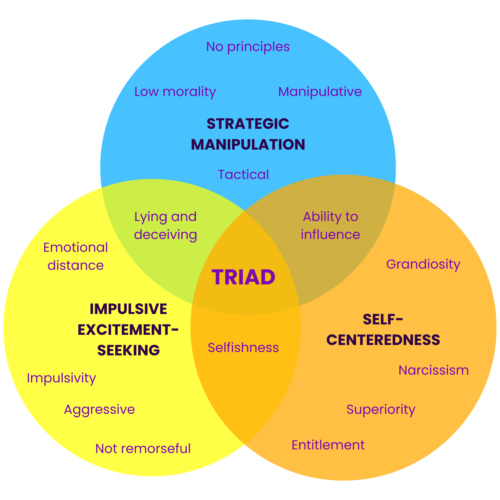
Self-centeredness
People scoring high on Self-centeredness often display:
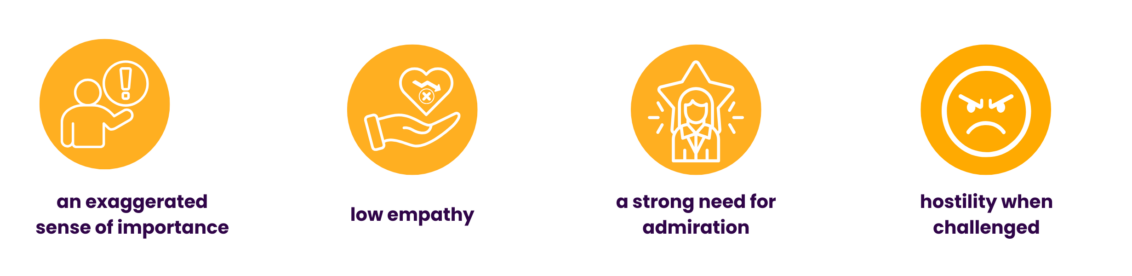
While confidence can be useful, elevated self-centeredness increases the risk of:
- exploiting others,
- dismissing feedback,
- damaging team cohesion
Zortify helps distinguish healthy confidence from destructive self-focus, without stigmatising individuals.
Impulsive Excitement-Seeking
High scorers tend to:
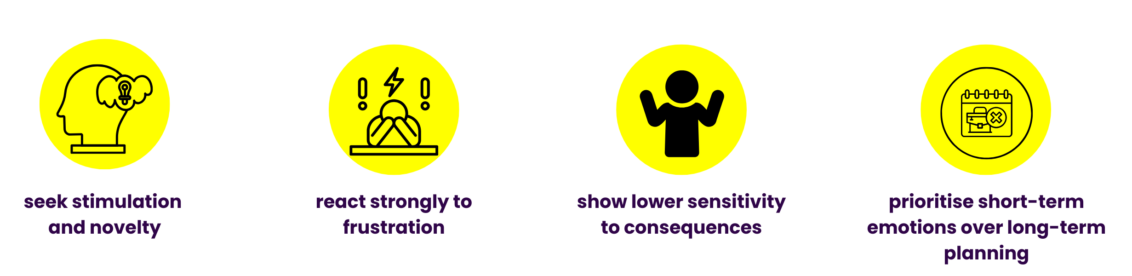
In leadership or high-impact roles, this can result in:
- reckless decisions,
- conflict escalation,
- unstable team dynamics
Zortify identifies these patterns early, enabling targeted development rather than costly surprises.
Strategic Manipulation
Individuals high in Strategic Manipulation may:
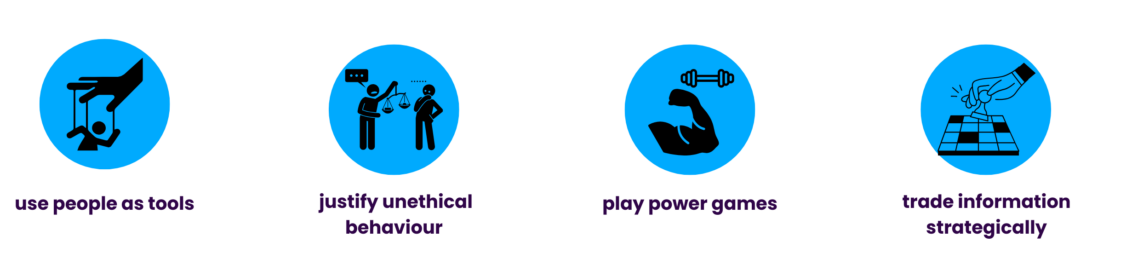
They often appear highly competent – until trust erodes.
Zortify enables organisations to detect manipulative patterns without relying on intuition or subjective impressions.
👉 Because power without integrity is not leadership.
Why Zortify Is Different
Zortify does not rely on superficial checklists or self-presentation alone.
Our approach:
- uses open-ended questions analysed by explainable AI,
- reduces social desirability bias,
- focuses on patterns, not labels,
- complies with the EU AI Act and ethical HR standards.
The result: actionable insight without stigmatisation.
Hear It from the Expert
In this video, Zortify co-founder and Organisational Psychologist Dr. Marcus Heidbrink explains:
- what these traits really mean,
- how different score levels should be interpreted,
- why ignoring them can quietly damage organisations,
- and how HR can address risk without bias or fear
👉 Understanding is the first step to prevention.
Turn Insight into Action
Whether you are:
Zortify helps you identify risk early and act responsibly.